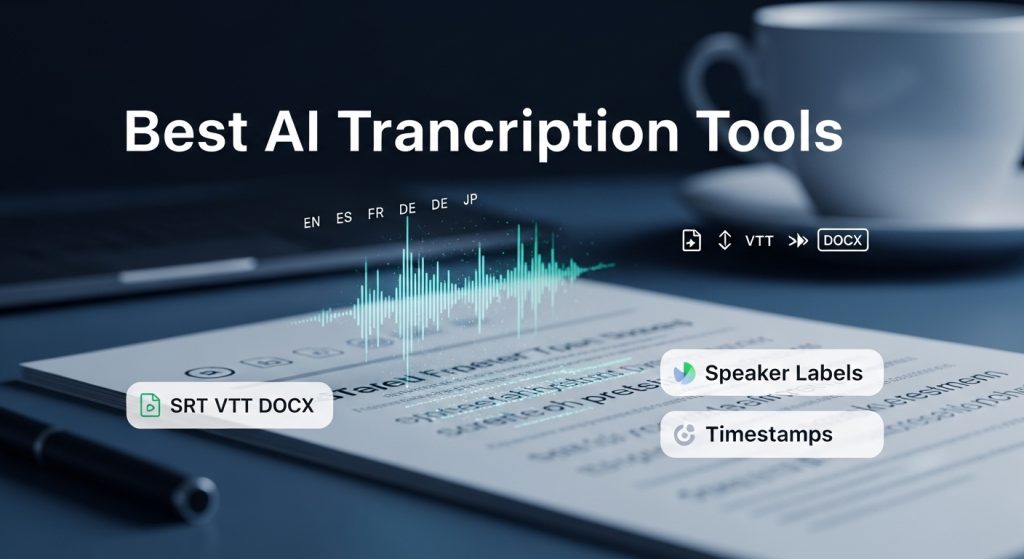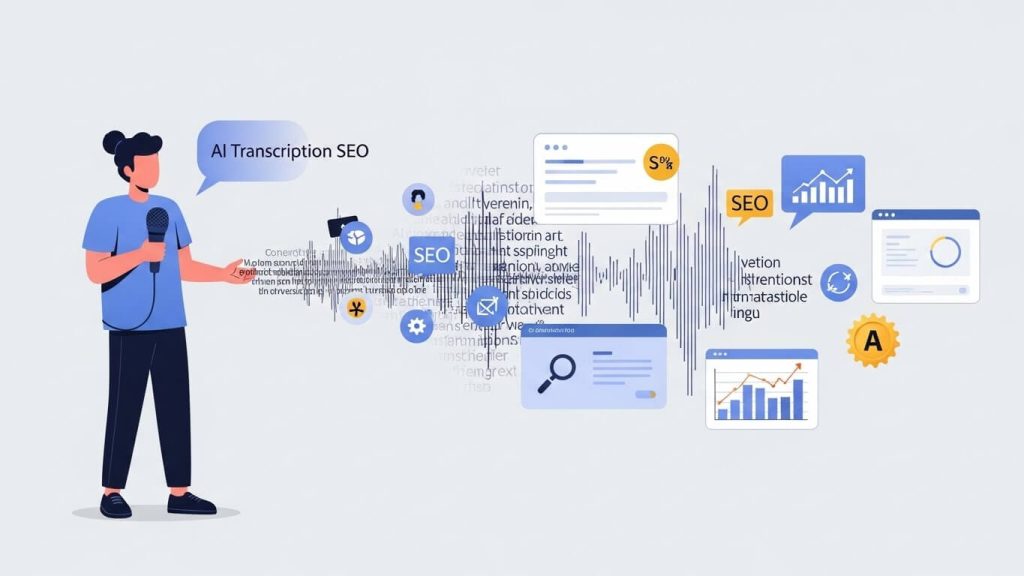
From Voice to Visibility: How AI Transcription Is Powering Creator SEO in 2026
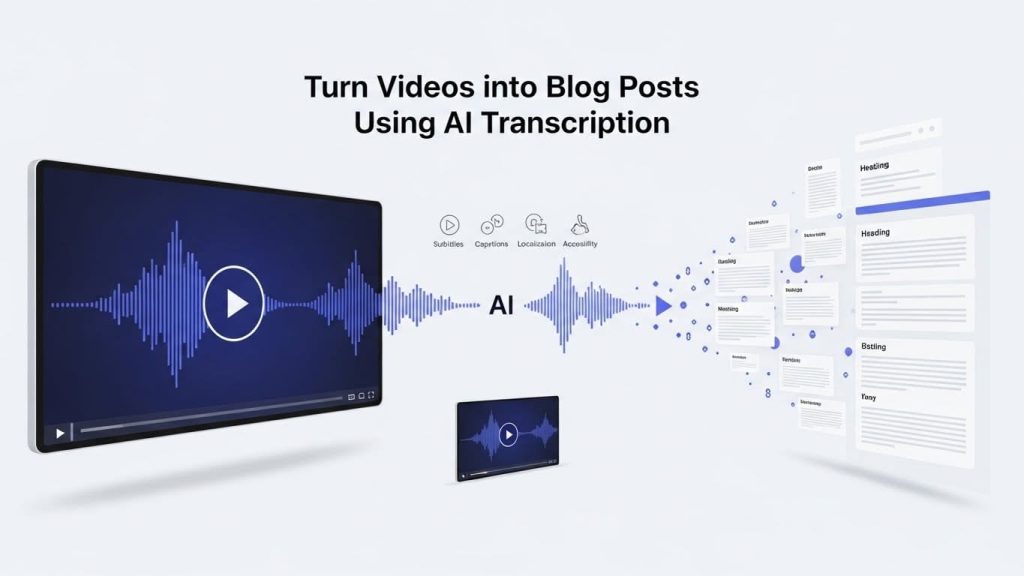
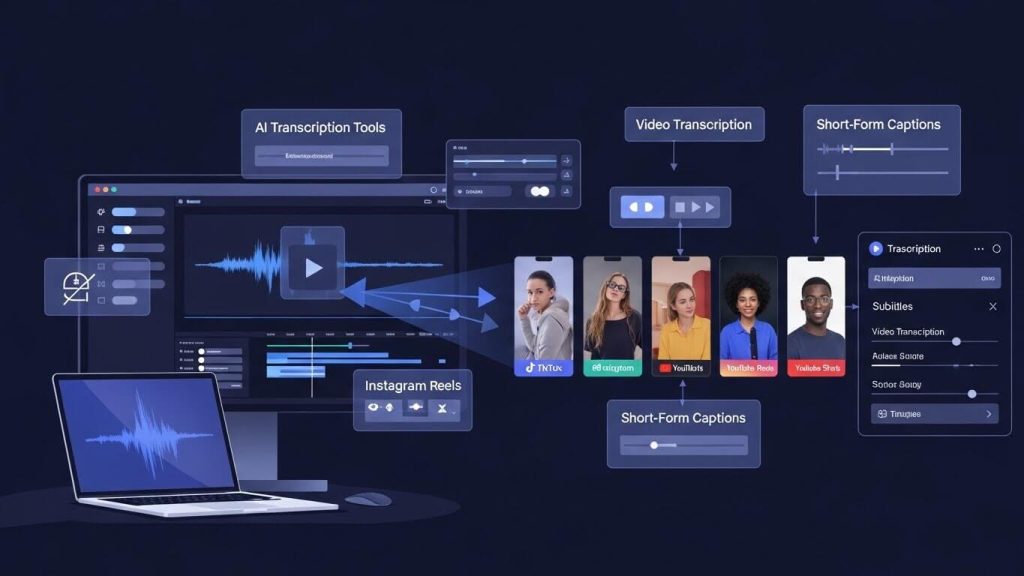
Why Visibility Matters More Than Content Creation in 2026 In 2026, content creation is no longer just about recording great videos or publishing engaging podcasts. Visibility is the real challenge. With millions of creators competing for attention across YouTube, podcasts, blogs, and social platforms, discoverability has become the defining factor of growth. This is where AI transcription for SEO has emerged as a game-changing strategy. Creators who once relied solely on platform algorithms are now turning spoken content into searchable, indexable assets—unlocking long-term organic traffic, better rankings, and platform-independent growth. Why Creator SEO Looks Different in 2026 Search behavior has changed. Audiences now discover creators through: Yet, audio and video content alone cannot be fully understood by search engines. Search engines still rely heavily on text. That’s why transcription for content creators has become essential—not optional. What Is AI Transcription for SEO? AI transcription converts spoken audio or video into accurate text using speech-to-text technology.When optimized correctly, these transcripts become powerful SEO assets that help search engines: In short, transcription transforms voice into visibility. How AI Transcription Improves SEO for Content Creators 1. Turns Audio and Video into Indexable Content Search engines cannot “watch” a video or “listen” to a podcast—but they can crawl text. By adding video transcription SEO and podcast transcription for SEO, creators give Google exactly what it needs to rank their content. This answers a common question creators ask: Does transcription help YouTube SEO? Yes—especially when transcripts are published on web pages, blogs, or video descriptions. 2. Boosts Keyword Coverage Naturally Spoken language is naturally rich in keywords, variations, and semantic phrases. AI-generated transcripts help you rank for: This is one of the most effective ways to increase organic traffic using transcripts—without keyword stuffing. 3. Powers Creator SEO Beyond Platforms Creators who rely only on YouTube, TikTok, or Spotify face constant algorithm risk. By using audio to text for SEO, you can: This approach supports platform-independent creator growth, one of the biggest creator trends of 2026. From Transcripts to Traffic: Real Creator Use Cases YouTube Transcription for SEO Creators use transcripts to: How to rank videos on Google using transcripts: Publish your transcript on a blog page with optimized headings, internal links, and FAQs. Podcast Transcription for SEO Podcasters convert episodes into: This answers another high-intent query: How do creators use transcription for SEO? By turning conversations into evergreen written content. Content Repurposing with Transcription One transcript can become: This makes content repurposing with transcription one of the most efficient creator workflows in 2026. Best AI Transcription Tool for Creators in 2026 Not all transcription tools are built for creators. Creators need: This is where AI transcription tools like TrulyScribe stand out—designed specifically to help creators convert audio to text for SEO without technical complexity. How Transcripts Increase Organic Traffic Over Time Here’s what happens when creators consistently publish transcripts: This makes transcription a long-term SEO investment, not just a productivity hack. The Future of Creator SEO Starts with Voice In 2026, creators don’t just publish content—they build searchable content ecosystems. If your content includes: Then AI transcription for creators is the fastest path from spoken words to sustainable visibility. Final Thoughts Creators who win in 2026 will be the ones who: AI transcription is no longer a backend task—it’s the foundation of modern creator SEO. If you want your content to be found, ranked, and remembered, it starts with transcription. Turn your voice into traffic.Signup TrulyScribe and start using AI transcription to make every piece of content searchable. FAQs: AI Transcription & Creator SEO