Trulyscribe

Media Localization

Best AI Transcription Tools for Content Creators in 2026
AI Transcription Tools, Accessibility & Localization, AI for Video, Content Creation Tools, Media Localization, Subtitling & Captioning

Best Tools for Content Creators in 2026 — Including AI for Transcripts & Captions

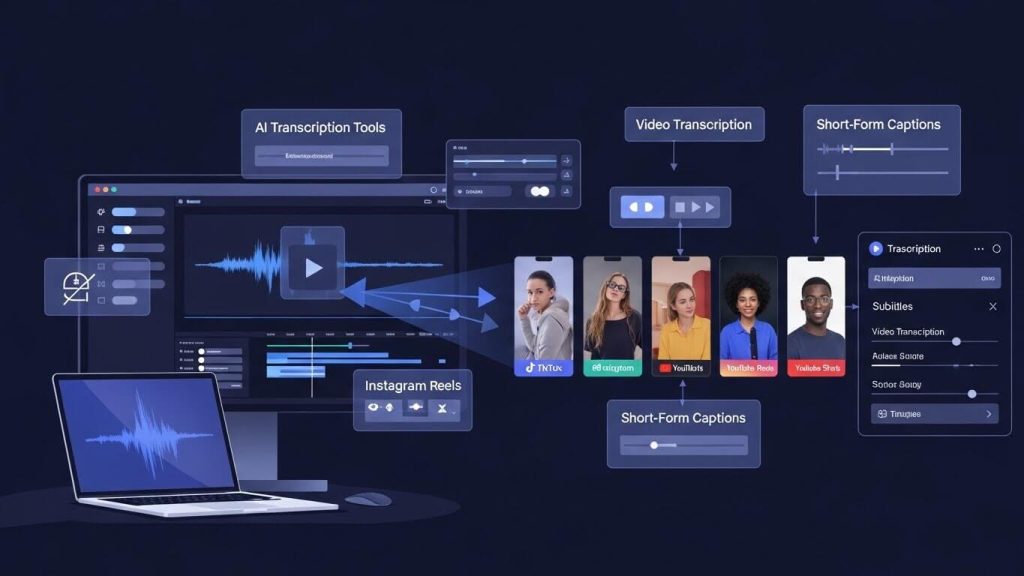
Content creation in 2026 looks very different from just a few years ago. Creators are producing more video, across more platforms, for more regions—and with far less time to spare. Whether you’re a YouTuber, TikTok creator, video editor, or media localization manager, one thing is clear: AI transcription tools and captioning software are no longer optional. From short-form video captions to multilingual subtitling and accessibility compliance, transcription and captioning tools now sit at the core of modern content workflows. In this guide, we explore the best AI tools for content creators in 2026, with a strong focus on video transcription software, AI captioning tools, and subtitling solutions—including how TrulyScribe compares with other popular platforms. Why AI Transcription Tools Are Essential for Creators in 2026 Video continues to dominate digital platforms. YouTube, TikTok, Instagram Reels, OTT platforms, and corporate video channels are all competing for attention—often in sound-off environments. This shift has made AI transcription tools critical for creators and organizations across industries such as: What creators need today: Creators and teams that rely solely on manual workflows are falling behind in speed, reach, and accessibility. What to Look for in AI Captioning & Transcription Tools Before comparing platforms, it’s important to understand what actually matters when choosing a tool in 2026. Key evaluation criteria: For professional users—such as subtitling specialists, dubbing producers, and media localization managers—these factors determine whether a tool fits into real production workflows. Best AI Transcription Tools for Content Creators in 2026 Below is a practical overview of how today’s leading tools are used, followed by where TrulyScribe fits within the ecosystem. 1. TrulyScribe – Built for Professional Transcription & Subtitling Workflows TrulyScribe is designed for creators, agencies, and enterprises that need reliable video transcription and captioning at scale, without sacrificing quality. Strengths: Best suited for: TrulyScribe stands out where transcription needs to move beyond “auto-captions” and into production-ready subtitling. 2. Generic Creator-Focused Captioning Tools Many popular tools focus on speed and ease for individual creators. Strengths: Limitations: These tools work well for solo creators but often fall short for agencies, broadcasters, or global brands. 3. Enterprise Transcription & Subtitle Platforms Enterprise solutions focus on scale and compliance. Strengths: Limitations: This is where hybrid platforms—like TrulyScribe—bridge the gap between creator agility and enterprise reliability. Best Use Cases: Matching Tools to Creator Needs Different creators and teams use AI transcription tools differently. Content Creators & Influencers Video Editors & Motion Designers Localization & Media Teams Marketing & Agency Teams AI Transcription for TikTok, Reels & Shorts: Best Practices Short-form platforms demand a different transcription approach. Best transcription format for short-form social videos: Subtitle timing tips for vertical short-form videos: AI transcription tools that support these practices deliver better engagement and viewer retention. How Captions Improve Engagement on Short Videos Captions aren’t just about accessibility—they’re about performance. Studies consistently show that captioned videos: For performance marketing agencies and social media managers, captions directly impact ROI. Multilingual Subtitles & Localization: The Next Growth Lever In 2026, content goes global instantly. Creators and brands targeting: …are increasingly relying on multilingual subtitles for short-form video content. AI transcription becomes the foundation for: Tools that support professional localization workflows—rather than just auto-translate—deliver long-term value. Transcription Workflow for Repurposing Long Videos A scalable workflow used by top creators and media teams: This workflow saves time, reduces costs, and improves content consistency. Choosing the Right Tool in 2026 When comparing AI transcription tools for content creators, the best choice depends on where you’re headed: TrulyScribe is positioned for creators and teams who want to grow beyond basic captions and build professional, accessible, and globally ready content pipelines. Final Thoughts: AI Tools Are the New Creative Infrastructure In 2026, the most successful creators aren’t just great storytellers—they’re efficient operators. AI transcription, captioning, and subtitling tools are no longer add-ons; they’re core infrastructure. If your content strategy includes: …then choosing the right transcription platform matters. Ready to elevate your content workflow? We provide professional transcription, subtitling, dubbing, voice-over, video localization, and audio description services tailored for creators, agencies, and global media teams. 👉 Contact us today to build a scalable, future-ready content pipeline. Frequently Asked Questions (FAQs)
Video Transcription for Accessibility ADA & WCAG Compliance Explained
Video Transcription, Accessibility & Compliance, AI Transcription Tools, Captions & Subtitles, Media Localization

Video Transcription for Accessibility: ADA & WCAG Compliance Explained

Why Video Accessibility and Transcription Matter Today Video has become the most powerful medium for communication—used across corporate training, e-learning, marketing, OTT platforms, podcasts, and digital publishing. But as video usage grows, so does the responsibility to make content accessible to everyone. This is where video transcription plays a critical role. From meeting ADA compliance in the United States to adhering to WCAG accessibility standards globally, accessible video transcription is no longer optional—it’s essential. In this guide, we’ll break down how video transcription supports accessibility, what ADA and WCAG really require, and how AI-powered platforms like TrulyScribe help organizations meet compliance at scale. Why Accessibility Matters More Than Ever in Video Content Accessibility is no longer just about inclusion—it’s about legal compliance, audience reach, and brand trust. According to the World Health Organization, over 1.5 billion people worldwide live with some form of hearing loss. Add to that non-native speakers, people watching videos without sound, and users relying on assistive technologies—and it’s clear why accessibility is a business priority. Accessibility-driven trends shaping video content: Video transcription ensures that spoken content is available in text form—making videos usable, searchable, and compliant. What Is Video Transcription and Why It’s Essential for Compliance Video transcription is the process of converting spoken dialogue in a video into written text. This text can be used as: From an accessibility standpoint, transcripts are foundational. Captions and subtitles are built from accurate transcripts, making transcription the first step toward compliance. ADA & WCAG: What Do They Actually Require? ADA (Americans with Disabilities Act) The ADA requires that digital content—especially videos—be accessible to people with disabilities. This includes: This is where ADA compliant transcription becomes critical. WCAG (Web Content Accessibility Guidelines) WCAG provides international standards for accessibility. Under WCAG 2.1: Organizations often ask:Does video transcription meet WCAG requirements? The answer is yes—when combined with captions and proper formatting. How Does Video Transcription Help With ADA Compliance? One of the most searched questions is:How does video transcription help with ADA compliance? Here’s how: Using an AI video transcription tool ensures consistency and scalability—especially when dealing with large video libraries. Is AI Transcription Accurate Enough for WCAG Accessibility? A common concern is accuracy. Is AI transcription accurate enough for WCAG accessibility? Modern AI transcription platforms like TrulyScribe use advanced speech recognition models trained on diverse accents, industries, and audio conditions. When paired with human review (if needed), AI transcription achieves accuracy levels suitable for WCAG compliance. Benefits of AI transcription for accessibility: This makes accessible video transcription achievable even for high-volume content creators. Automatic Captioning Software vs Manual Transcription Manual transcription is accurate—but slow and expensive. Automatic captioning software, powered by AI, offers a smarter alternative: Feature Manual AI Transcription Speed Slow Near real-time Cost High Scalable Volume handling Limited High Compliance-ready Yes Yes (with review) Platforms like TrulyScribe bridge this gap by offering AI-driven transcription optimized for accessibility workflows. How to Make Videos Accessible Using AI Transcription If you’re wondering how to make videos accessible using AI transcription, here’s a practical workflow: This approach works across: Best AI Transcription Tool for Accessible Videos Organizations often search for the best AI transcription tool for accessible videos—one that balances speed, accuracy, and compliance. What to look for: TrulyScribe is designed for teams producing video at scale—helping them meet ADA and WCAG requirements efficiently. Real-World Scenario: Accessibility at Scale Imagine an e-learning company with: Manual transcription would take months. With AI transcription, transcripts are generated quickly, captions are created automatically, and accessibility compliance becomes manageable. This is where AI-driven platforms outperform traditional workflows. Make Your Videos Accessible with TrulyScribe Meeting accessibility standards doesn’t have to be complex or expensive. TrulyScribe is an AI-powered transcription platform built to help organizations: Whether you’re a content creator, enterprise team, or media publisher, TrulyScribe helps you make videos accessible—faster. 👉 Start using TrulyScribe to create accessible, compliant video content today. Sing Up here Frequently Asked Questions (FAQ) Final Thoughts Accessibility is not a checkbox—it’s a commitment. With increasing regulatory enforcement and growing audience expectations, video transcription has become the foundation of inclusive digital communication. By leveraging AI-powered tools like TrulyScribe, organizations can meet ADA and WCAG compliance while improving reach, usability, and brand trust. Accessible video isn’t just better—it’s smarter, scalable, and future-ready.

Podcast SEO Guide 2026
Podcasting & Audio Production, AI Tools & Automation, Media Localization, SEO & Content Marketing, Subtitling & Captioning

The Complete Guide to Podcast SEO: Why Transcription Is the #1 Growth Hack in 2026

Podcasting has exploded across every major market — from North America and Europe to India, the Middle East, and Southeast Asia. As more creators, brands, media companies, and enterprises enter the space, competition for visibility has become intense. It’s no longer enough to publish great audio; you need a strategy that ensures your episodes are discoverable on Google, YouTube, Spotify, and across multilingual markets. That’s where Podcast Transcription becomes the single most powerful, cost-effective, and scalable growth hack in 2026. For podcasters, dubbing and voice-over studios, localization agencies, OTT platforms, and media companies, transcription is no longer a nice-to-have — it’s a core SEO and accessibility requirement. With AI transcription tools becoming dramatically more accurate, faster, and more affordable, brands are using them to unlock new keywords, global audiences, and content formats. This guide explains why transcription is central to Podcast SEO optimization, how it improves discoverability, and how audio/video teams can leverage it to localize content, repurpose episodes, and grow their audience at scale. Why Podcast SEO Matters More Than Ever in 2026 Podcast consumption is shifting from “audio-only entertainment” to “searchable, multi-format content.” Google’s algorithms have become smarter at indexing multimedia — but audio still needs text to be searchable. Here’s why SEO has become critical for podcast creators and media companies: In 2026, every successful podcaster is treating their content as a content ecosystem, not just an audio file. Why Podcast Transcription Is the #1 SEO Growth Hack Podcast Transcription turns your audio into a keyword-rich asset — allowing Google to crawl, index, and rank your content. Below are the core reasons transcription has become essential: 1. Transcription Makes Your Podcast Discoverable on Google How does podcast transcription improve SEO?Simple: search engines cannot “listen” to audio, but they can index text. A 40-minute episode often contains thousands of keywords, phrases, questions, and topics that you’re not currently ranking for. Once transcribed, these become searchable content that helps: Example: A marketing podcast discussing “AI in customer service” might organically rank for: Without transcription, these keywords are wasted. 2. AI Transcription for Podcasts Saves Time & Boosts Accuracy Manual transcription is slow and expensive.  But AI transcription for podcasts now offers: This allows podcast producers, digital marketers, localization teams, and media companies to scale SEO faster and more affordably than ever. 3. Transcripts Enable Easy Content Repurposing How to repurpose podcast transcripts for content marketing? One transcript can generate: Podcasters and agencies can multiply reach without additional recording or writing. 4. Transcription Enables Podcast Subtitling and Captioning More podcasts are becoming video podcasts for YouTube, Instagram, Reels, TikTok, and OTT platforms. How to create subtitles for podcast videos? Transcription → Captioning → SEO-optimized video content. Subtitles improve: This is also crucial for media companies, dubbing studios, and OTT platforms delivering multilingual podcast localization. 5. Accessibility Compliance Is Now a Global Requirement Governments and platforms are enforcing accessibility standards similar to WCAG and ADA guidelines. Podcast accessibility solutions now require: This matters significantly for: Transcription is the first step to full accessibility support. How Transcription Helps You Reach Global Audiences Multilingual markets are a massive growth opportunity. With regions like Europe, UAE, India, Southeast Asia, and LATAM consuming more podcasts, creators need language-ready workflows. Transcripts enable multilingual podcast localization by: Without transcripts, dubbing and subtitling workflows become slower, more expensive, and less accurate. How Podcast Producers and Media Teams Can Use Transcripts in 2026 Here’s a simple yet powerful workflow used by leading media & entertainment brands, OTT platforms, and podcast production companies: Step 1 — Transcribe Every Episode Using an AI Tool Look for the best tool to transcribe and localize podcasts, offering: Step 2 — Use Transcripts to Create On-Page SEO Content You can generate: Step 3 — Add Subtitles & Captions to Video Podcasts Convert transcripts into SRT/VTT to boost YouTube, IG Reels, and LinkedIn visibility. Step 4 — Localize Content for Global Audiences Translate transcripts into Arabic, German, French, Spanish, Hindi, Japanese, Korean and 50+ more languages. This is perfect for localization companies, voice-over studios, dubbing workflows, OTT publishers, and multinational brands. Step 5 — Archive Transcripts for Compliance & Content Retrieval Large enterprises and educational platforms store transcripts for: Transcripts become a long-term content asset. Real-World Scenario: How a Media Company Boosted Visibility by 300% A leading OTT network in the Middle East (UAE) launched a multilingual podcast series but struggled with SEO and discoverability. They implemented a transcription-first workflow: The result: This is the power of transcription-enabled SEO and localization. Final Thoughts: Transcription Is the Future of Podcast SEO In 2026, Podcast Transcription has become the backbone of: Whether you’re a podcaster, a dubbing studio, a localization agency, an OTT platform, or a corporate communicator — your podcast growth strategy starts with transcription. Call-to-Action If you’re looking to transcribe, localize, dub, caption, subtitle, or provide audio description for your podcast or media content, our team can help. We specialize in serving podcasters, production houses, media companies, dubbing studios, localization teams, and global enterprises across every major industry and region. Contact us today to scale your podcast reach with professional transcription, subtitling, dubbing, and localization services.

Scroll to Top