
Ever uploaded a 2-hour podcast to an AI transcription tool… only for it to crash at 82%?
Or worse — it completes the transcript, but speaker labels are a mess and editing takes longer than manual typing.
Short clips are easy.
Long-form audio is where most AI transcription tools struggle.
If you regularly produce:
- 60–120 minute podcasts
- Long interviews
- Webinars
- Panel discussions
- Zoom recordings
You need a transcription solution built for long audio — not just short snippets.
In this guide, we’ll break down:
- Why long podcasts break most tools
- What features actually matter
- How to transcribe 2-hour recordings efficiently
- Which tools work best in 2026
Why 2-Hour Recordings Break Most AI Transcription Tools
AI transcription performs well in controlled demos. But long podcasts expose weaknesses.
Here’s why:
1️⃣ Memory & File Size Limits
Many platforms quietly limit:
- Upload size
- Processing time
- Total duration
Long files increase processing strain, especially in browser-based tools.
2️⃣ Speaker Drift Over Time
Multi-speaker transcription becomes harder over 90–120 minutes.
Common issues:
- Speakers mislabeled halfway through
- Overlapping voices merged
- Inconsistent formatting
If your podcast includes co-hosts or guests, diarization accuracy becomes critical.
3️⃣ Accumulated Errors
Small recognition errors compound over time:
- Names
- Technical terminology
- Repeated phrases
Editing a 10-minute transcript is easy.
Editing 25 pages of slightly messy text? Not so much.
4️⃣ Export Problems
Long transcripts can:
- Fail during export
- Lose timestamps
- Format incorrectly
For professional workflows, this becomes a serious bottleneck.
What to Look for in AI Transcription for Long Podcasts
If you regularly transcribe 2-hour recordings, here are the non-negotiables:
✅ Stable Large File Processing
No random cutoffs. No crashes.
✅ Multi-Speaker Detection (Diarization)
Clear speaker separation throughout the entire file.
✅ Timestamp Control
Especially useful for:
- Show notes
- Highlights
- YouTube chapters
✅ Clean Editing Interface
You should be able to:
- Search the transcript
- Edit in bulk
- Correct recurring terms quickly
✅ Flexible Export Formats
TXT, DOCX, SRT — depending on your workflow.
Common Frustrations Creators Face
If you’ve searched Reddit for “best AI transcription for long audio,” you’ll notice similar complaints:
- “The tool stops processing at 60 minutes.”
- “Speaker labels change halfway through.”
- “It works fine for short clips but not full episodes.”
- “Free plans cap out too fast.”
Long-form content reveals which transcription tools are built for scale — and which aren’t.
Best AI Transcription for Long Podcasts (2026)
Not every transcription tool is optimized for 2-hour recordings.
Here’s how to think about it:
🔹 For 30–60 Minute Audio
Many modern AI transcription tools can handle this length without issues.
If your content rarely exceeds one hour, you’ll likely be fine with most premium platforms.
🔹 For 60–120 Minute Podcasts & Interviews
This is where you need:
- Stable backend processing
- Strong speaker diarization
- Structured long-form formatting
- Reliable exports
For creators who frequently publish long-form episodes, TrulyScribe is designed to handle extended recordings efficiently.
It supports:
- Long audio transcription
- Multi-speaker separation
- Clean structured outputs
- Flexible export formats
Instead of breaking large files into segments or juggling multiple tools, creators can process full-length recordings more reliably in one place.
Free vs Paid Transcription for Long Recordings
Many creators start with free AI transcription tools.
Free plans are useful for:
- Testing audio quality
- Short clips
- Occasional use
But long podcasts usually expose limits:
- File caps
- Reduced processing stability
- Limited export options
- No advanced editing features
If long-form content is part of your weekly workflow, paid tools provide consistency and time savings.
How to Transcribe a 2-Hour Podcast Efficiently
Here’s a simple workflow to reduce editing time:
Step 1: Clean Your Audio First
Reduce background noise before uploading.
Step 2: Enable Speaker Detection
Especially important for co-host formats.
Step 3: Review the First 10 Minutes
Check accuracy early to identify recurring issues.
Step 4: Use Search to Batch-Correct
Fix recurring name or terminology errors in bulk.
Step 5: Export Strategically
Use:
- Full transcript for blogs
- Timestamps for show notes
- SRT for video captions
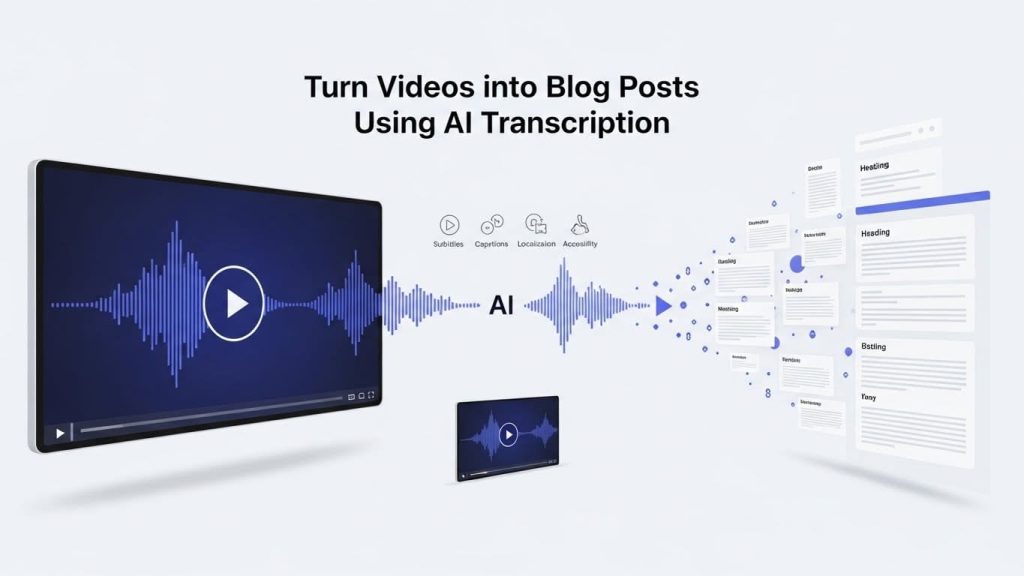
A structured AI transcription workflow can turn a 2-hour recording into multiple content assets.
Why Long-Form Transcription Is a Growth Lever in 2026
Transcribing long podcasts isn’t just about documentation.
It enables:
📈 SEO blog posts
📧 Email newsletters
📱 Social media snippets
🎥 Video captions
♿ Accessibility compliance
A single 2-hour episode can become:
- 1 SEO article
- 5–10 social posts
- 1 email sequence
- Multiple short-form video clips
And that process starts with reliable AI transcription.
Final Verdict
When choosing the best AI transcription for long podcasts and 2-hour recordings, prioritize:
✔ Stability
✔ Speaker accuracy
✔ Long-file support
✔ Editing efficiency
✔ Export flexibility
Not all tools are built for long-form audio.
If extended recordings are part of your workflow, choosing a transcription platform that handles them reliably can save hours every week.
FAQs – Best AI Transcription for Long Podcasts (2026)
What is the best AI transcription tool for 2-hour recordings?
The best tool depends on your workflow, but look for platforms that support large files, multi-speaker detection, and stable processing for long-form audio.
Can AI accurately transcribe long podcasts?
Yes, modern AI transcription tools can handle long podcasts well, especially when audio quality is clear and speaker detection is enabled.
Are free transcription tools good for long audio?
Free tools may work for shorter recordings, but they often limit file size or processing time for longer content.
How do I transcribe a 2-hour podcast automatically?
Upload your recording to an AI transcription platform, enable speaker detection, review early sections for accuracy, and export the final structured transcript.